WASIG 2025 OVERVIEW
Abuja, Nigeria
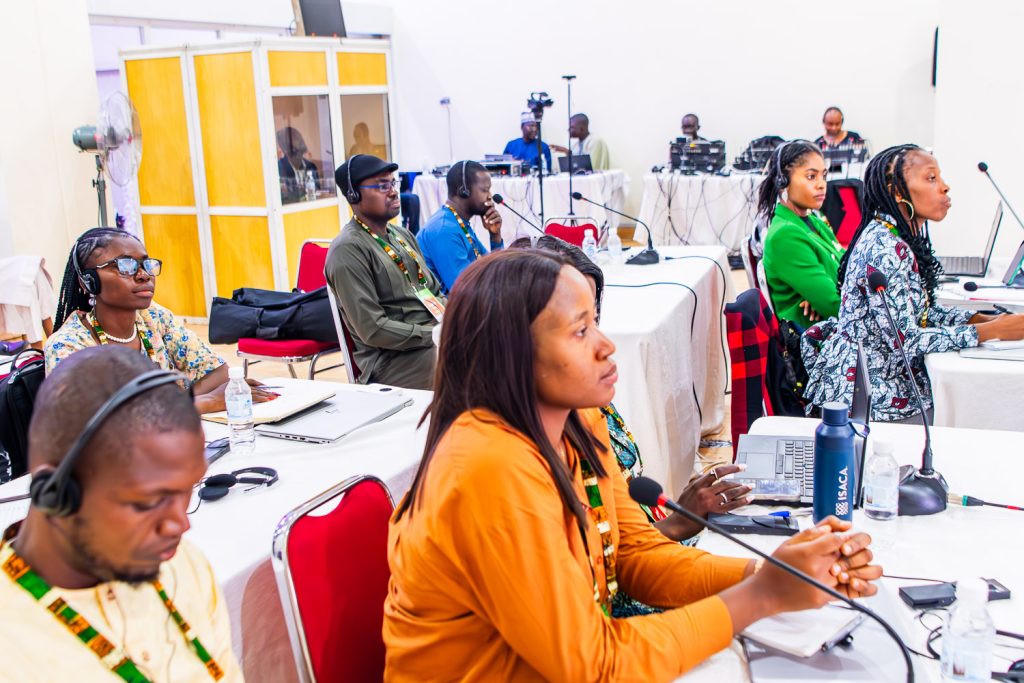
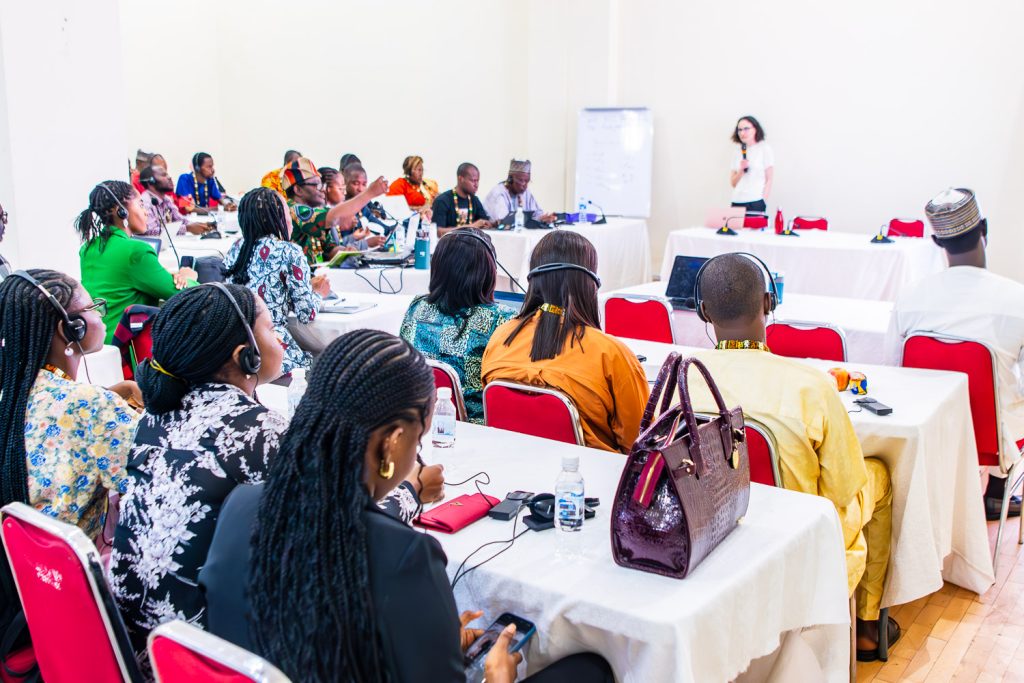
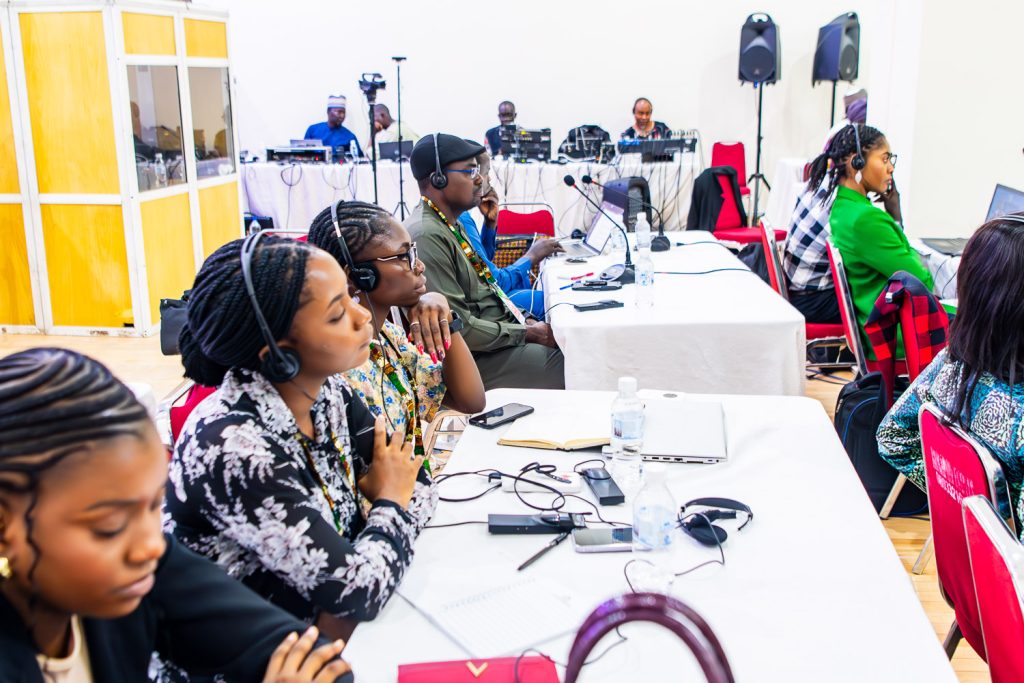
The WASIG’s main objective is to build the capacity of West African stakeholders on Internet Governance issues in general, and particularly on prevailing and emerging issues specific to the region. The capacity-building and awareness-raising exercises on Internet Governance will ensure that the participants are well-prepared to contribute at the national, regional, continental, and global levels of the IG process.
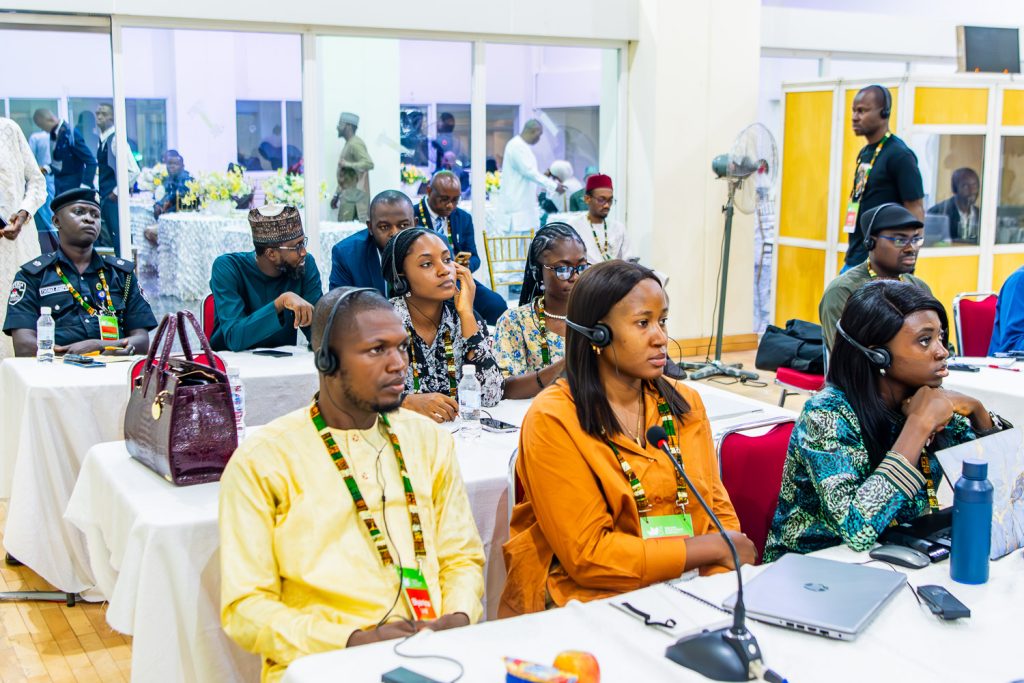
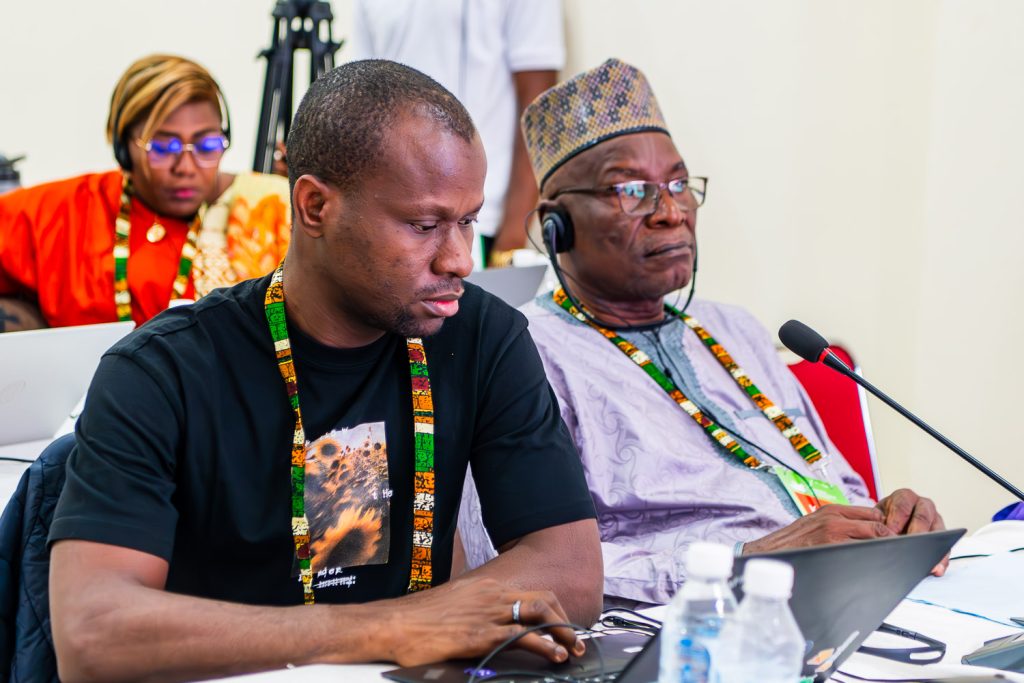
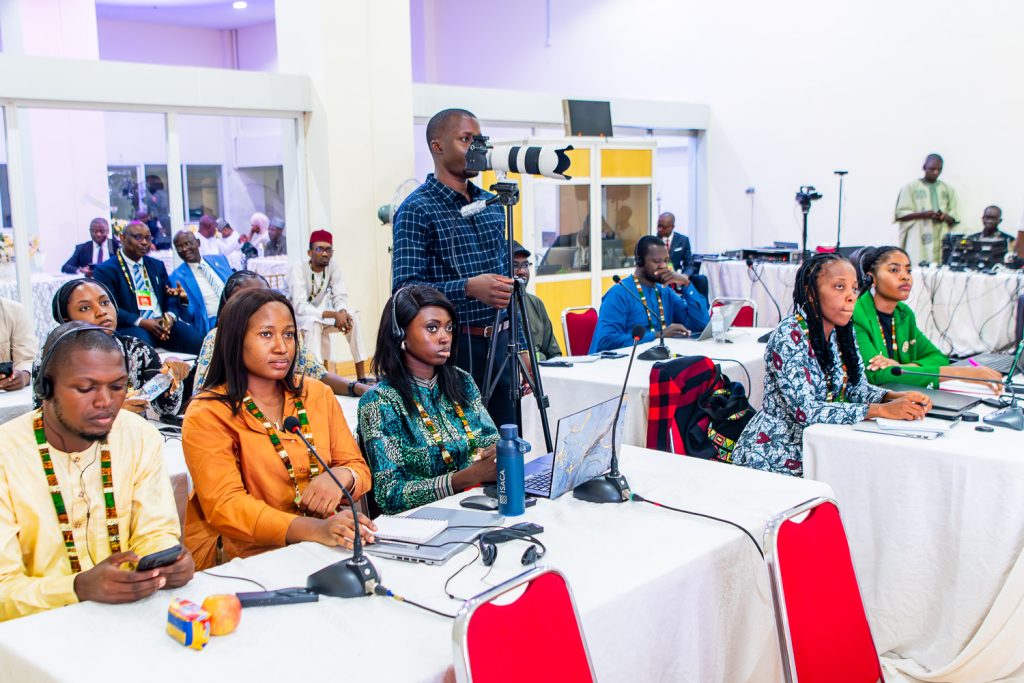
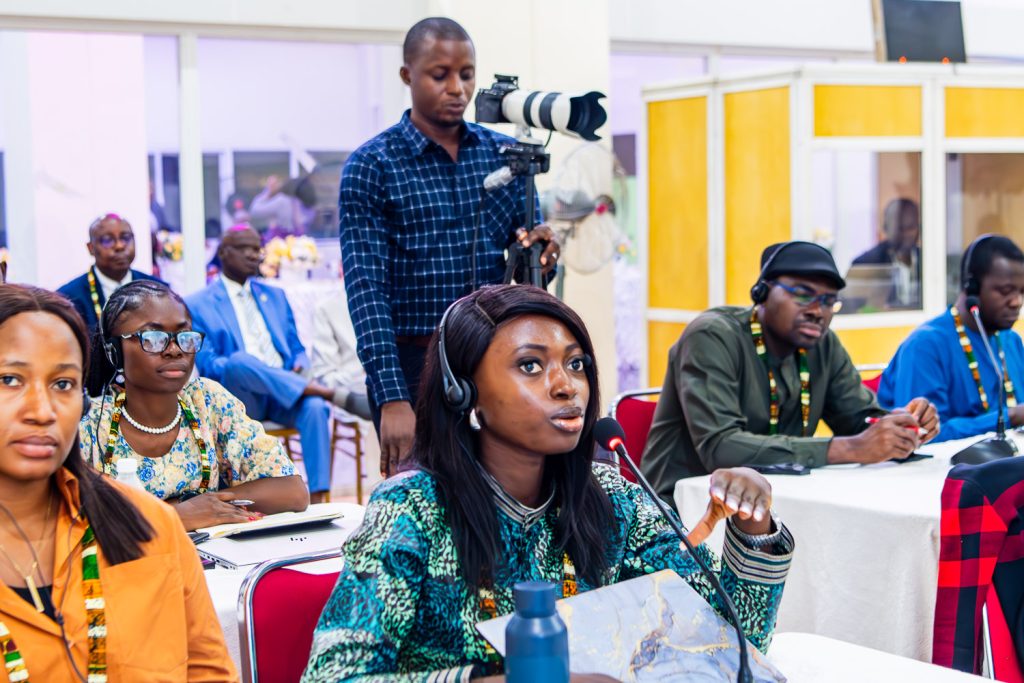
2025 is a crucial year for the race for regulation and the governance of technologies based on Artificial Intelligence. In this context, this year’s WASIG will therefore be a special “Alumni” edition that will produce a final document based on the work that began last year during the school. This year with the support of ECOWAS professionals, participants will improve the draft document
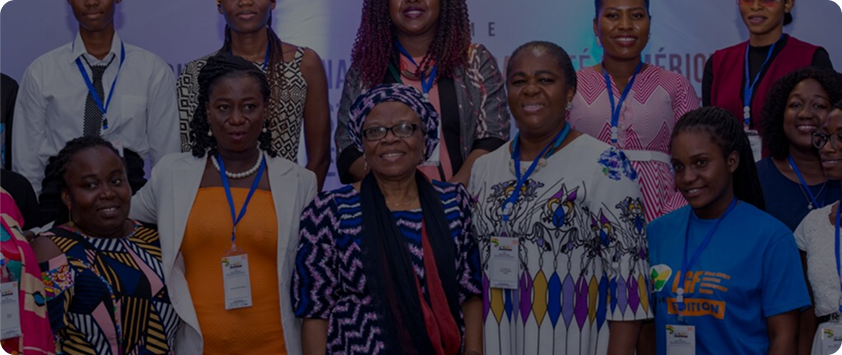
West Africa School on Internet Governance
The West Africa School on Internet Governance (WASIG) is a regional capacity-building initiative designed to equip emerging and mid-career stakeholders with the knowledge, skills, and networks required to participate meaningfully in Internet governance processes at national, regional, and global levels.
As the academic and training arm of the West Africa Internet Governance Forum (WAIGF), WASIG contributes directly to building informed, inclusive, and effective participation in digital policy-making across the ECOWAS region.
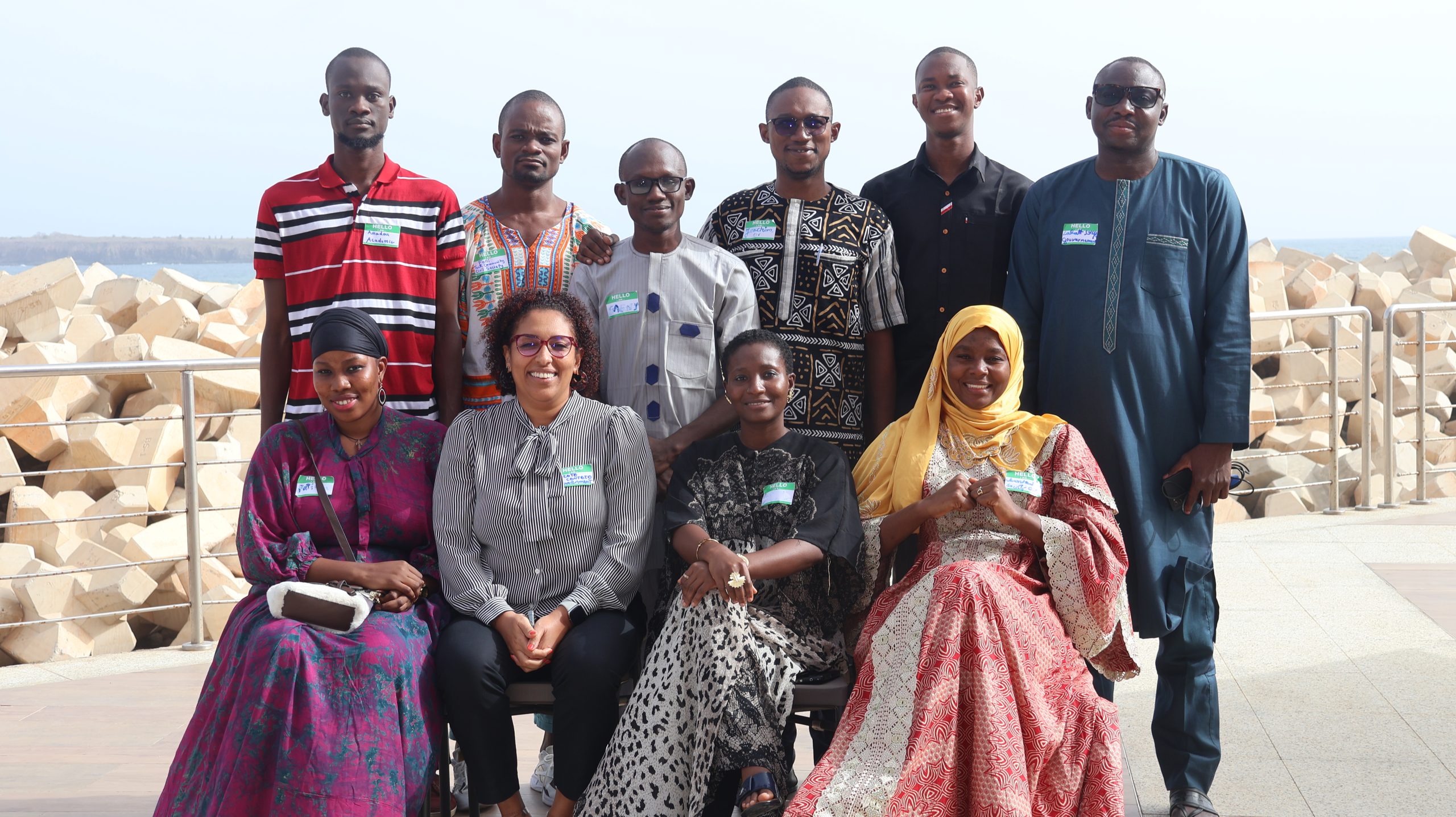
Context
WASIG was established in response to the outcomes of the World Summit on the Information Society (WSIS) and the Tunis Agenda, which emphasize inclusive multistakeholder participation in Internet governance.
In West Africa, disparities in access to knowledge, policy processes, and technical understanding continue to limit meaningful engagement in digital governance spaces. WASIG addresses this gap through a structured programme tailored to regional realities and priorities.
Mission
To strengthen the capacity of West African stakeholders to engage effectively in Internet governance processes, promote informed multistakeholder participation, and foster a new generation of leaders shaping the region’s digital future.
Objectives
- Build strong understanding of Internet governance ecosystems
- Develop practical policy and negotiation skills
- Promote peer learning and regional cooperation
- Support policy outputs relevant to West African priorities
Programme Structure
Expert-led Sessions
Lectures and discussions on key Internet governance issues, institutions, and current policy developments.
Interactive Workshops
Practical exercises, simulations, and group work designed to strengthen analysis and participation skills.
Policy-Oriented Outputs
Fellows contribute to recommendations, synthesis documents, and structured reflections linked to regional priorities.
Who Participates?
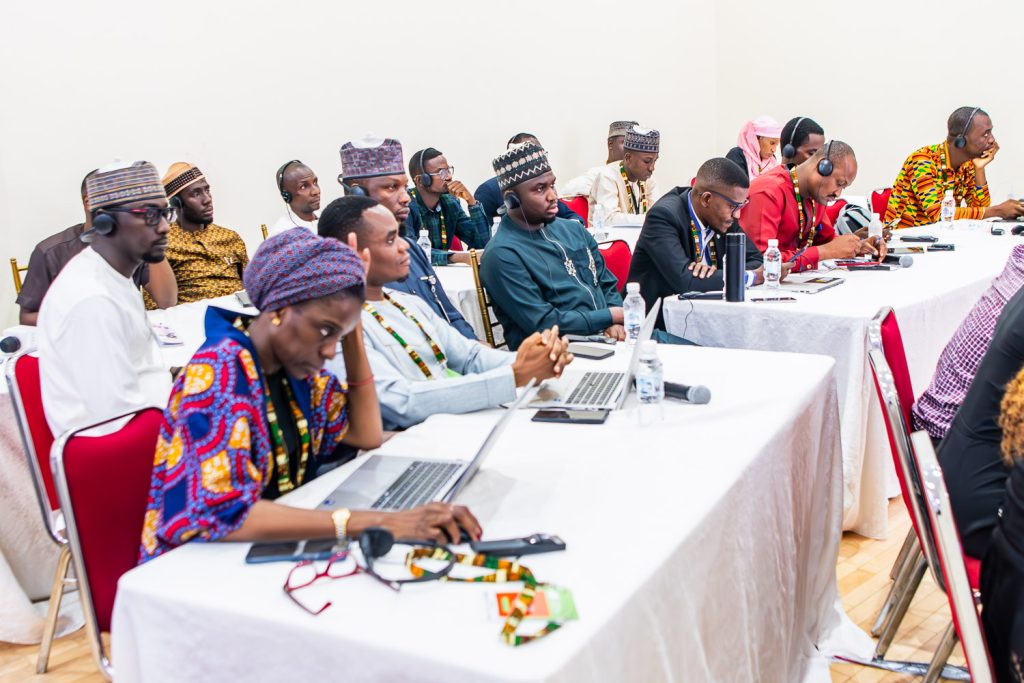
WASIG brings together government officials, regulators, civil society representatives, private sector actors, technical community members, academics, researchers, youth leaders, and emerging professionals from across West Africa.
Impact & Outcomes
Since its inception, WASIG has helped build a growing network of Internet governance practitioners across the region, strengthened participation in national and global policy spaces, and supported alumni engagement in research, advocacy, and community leadership.
Explore More
Selected Fellows
Explore the profiles of participants from previous editions and their contributions across the region.
View WASIG 2025 FellowsApply to WASIG
Learn more about eligibility criteria, the selection process, and upcoming calls for applications.
Apply for WASIG 2026Programme & Outputs
Access programme information, thematic focus areas, and key documents from recent editions.
Download the Programme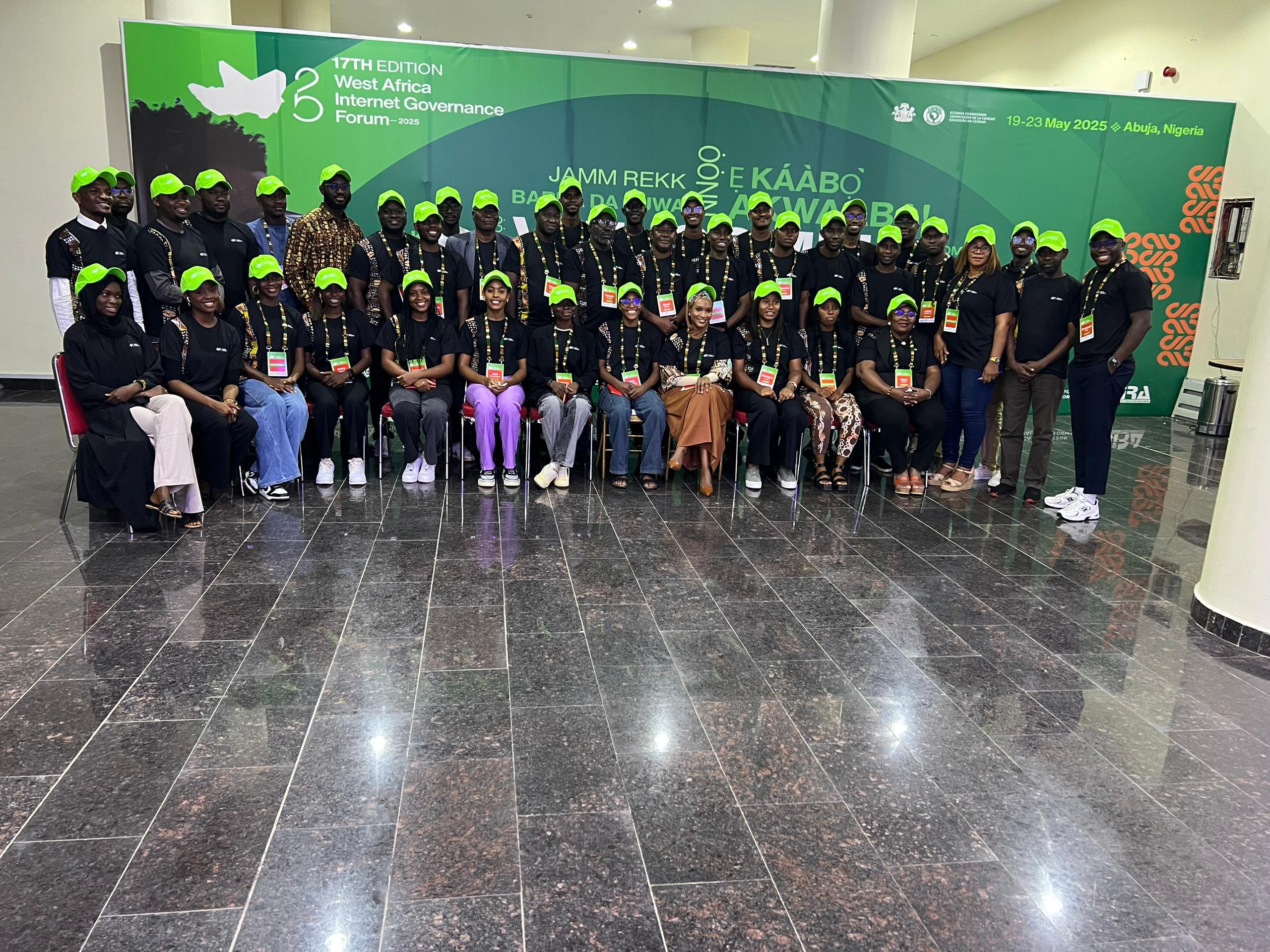
SHOWBOOK – 2025
Highlights from the Event